
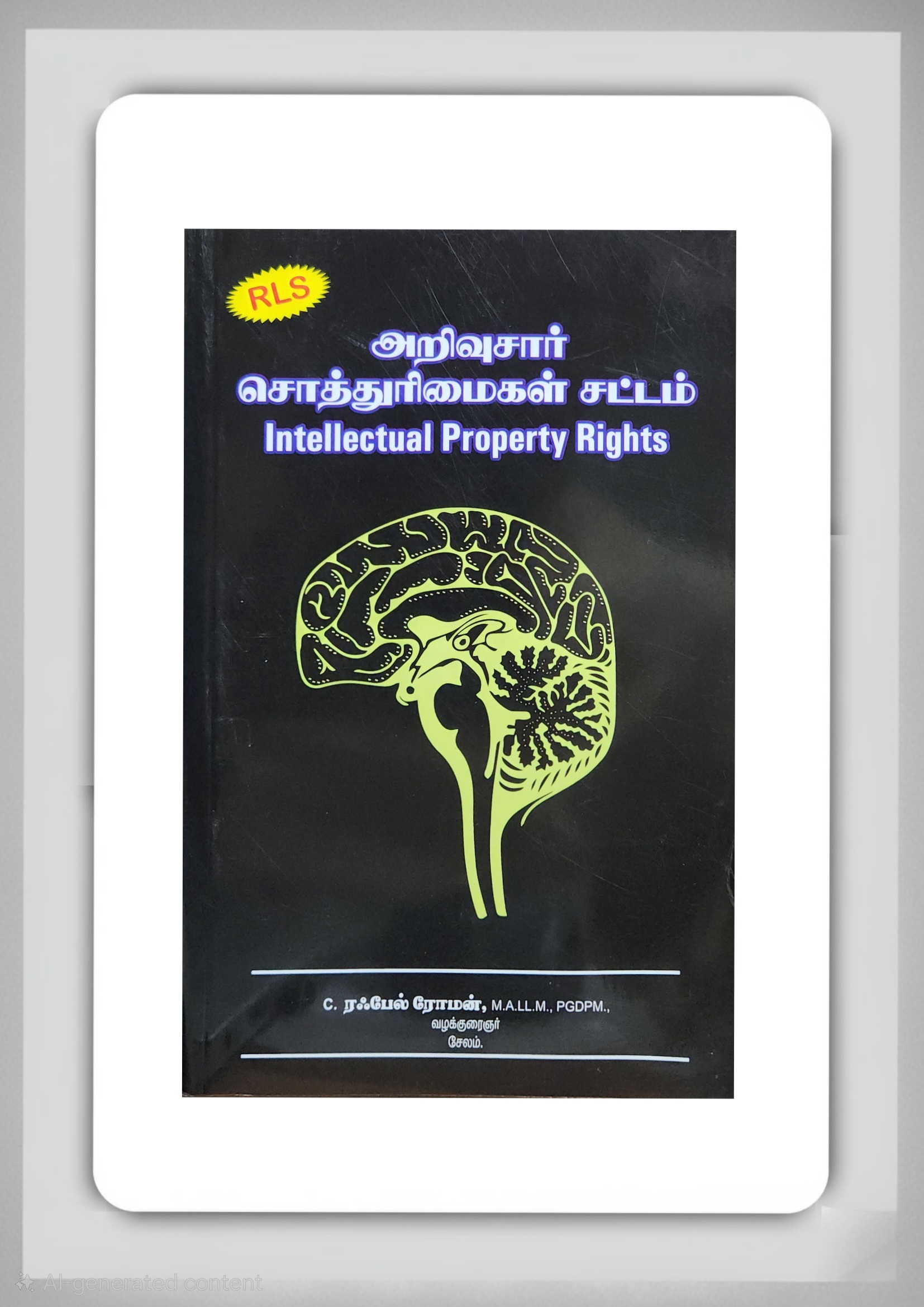
BUY ரஃபேல் ரோமன் அறிவுசார் சொத்துரிமைச் சட்டம் கையேடு guide | INTELLECTUAL PROPERTY RIGHTS RAFEL ROMAN GUIDE TAMIL | Latest Edition | 2025 | RAFEAL ROMAN GUIDE | BEST TAMIL GUIDE |
Intellectual property (IP) is a category of property that includes intangible creations of the human intellect.[1][2] There are many types of intellectual property, and some countries recognize more than others.[3][4][5]
The best-known types are patents, copyrights, trademarks, and trade secrets. The modern concept of intellectual property was developed in England in the 17th and 18th centuries. The term “intellectual property” began to be used in the 19th century, though it was not until the late 20th century that intellectual property became commonplace in most of the world’s legal systems.[6]
Supporters of intellectual property laws often describe their main purpose as encouraging the creation of a wide variety of intellectual goods.[7] To achieve this, the law gives people and businesses property rights to certain information and intellectual goods they create, usually for a limited period of time.
Supporters argue that because IP laws allow people to protect their original ideas and prevent unauthorized copying, creators derive greater individual economic benefit from the information and intellectual goods they create, and thus have more economic incentives to create them in the first place.[7] Advocates of IP believe that these economic incentives and legal protections stimulate innovation and contribute to technological progress of certain kinds.[8]
The intangible nature of intellectual property presents difficulties when compared with traditional property like land or goods. Unlike traditional property, intellectual property is “indivisible”, since an unlimited number of people can in theory “consume” an intellectual good without its being depleted.[9]
Additionally, investments in intellectual goods suffer from appropriation problems: Landowners can surround their land with a robust fence and hire armed guards to protect it, but producers of information or literature can usually do little to stop their first buyer from replicating it and selling it at a lower price. Balancing rights so that they are strong enough to encourage the creation of intellectual goods but not so strong that they prevent the goods’ wide use is the primary focus of modern intellectual property law.[10]
அறிவுசார் சொத்துரிமை (இலங்கை வழக்கு – புலமைச் சொத்து) என்பது பாட்டு, கதை, கட்டுரை, ஓவியம், படங்கள், கண்டுபிடிப்புகள், நுட்பங்கள், வணிகச் சின்னங்கள் போன்ற ஆக்கபூர்வமான படைப்புக்களின் உரிமை பற்றியதாகும். பொதுவாக படைப்பாளிக்கு அல்லது படைப்பை ஆக்கும் நிறுவனத்துக்கு அந்த படைப்பின் சொத்துரிமை சேரும். ஒரு குறிப்பிட்ட காலத்துக்கு சொத்துரிமை உள்ளோரின் அனுமதி இன்றி இவற்றை பிறர் பயன்படுத்த முடியாது.
பொதுவாக உலக அளவில் அங்கீகரிக்கப்படும் அறிவுசார் சொத்துரிமைகளில் பதிப்புரிமை, வணிகச் சின்னம், படைப்புரிமம், புவிசார் குறியீடு, வணிக இரகசியம் ஆகியவையும் அடங்கும். பல நூற்றாண்டுகளாகவே இதன் கொள்கைகள் வளர்ச்சியில் இருந்தாலும் 19 ஆம் நூற்ற்னடுக்கு பின்னரே அவை வெளிப்படையாக அங்கீகரிக்கப்பட்டு “அறிவுசார் சொதிருமை” என்ற பெயரும் வழங்கப்பட்டது. மேலும் 20 ஆம் நூற்றாண்டில் தான் உலக அளவில் இதன் உபயோகம் பெரும் அளவில்; வளர்ச்சி அடைய தொடங்கியது.
உழைப்பு அல்லது படைப்பு உரிமை
அறிவுசார் சொத்துரிமை பொருள்சார் சொத்துரிமையின் நீடிப்பாக பார்க்கப்படுகிறது. ஒருவர் தனது உழைப்பைச் செலுத்தி எவ்வாறு பெளதீக பொருட்களை உருவாக்குகிறாரோ, அல்லது சேமிக்கிறாரோ அதே போல ஒருவரின் உழைப்பின் ஊடாகவே அறிவுசார் படைப்பு உருவாக்கப்படலாம். எப்படிச் சொத்துரிமை பாதுகாக்கப்படுகிறதோ அப்படியே அறிவுசார் சொத்துரிமை பாதுகாக்கப்பட வேண்டும் என்பது ஒருசாரார் வாதம்.
புவிசார் குறியீடு
புவிசார் குறியீடுகளும் இந்த சொத்துரிமையின் கீழ் வருவன. இந்தியாவில் மதுரை மல்லி, தஞ்சாவூர் தலையாட்டி பொம்மை, திருப்பதி லட்டு போன்றவை புவிசார் குறியீட்டினைப் பெற்றுள்ளன.[1]
மருத்துவத் துறையில்
சட்டச்சிக்கல்கள் நிறைந்த சுவிட்சர்லாந்து நாட்டின் ’நோவார்டிஸ்’ மருந்து நிறுவனத்தின் வழக்கில் இந்திய நீதிமன்றத்தின் தீர்ப்பு வணிக லாபத்தை குறியாக கொண்ட பன்னாட்டு நிறுவனங்களால் விமர்சிக்கப்பட்டது. அறிவுசால் சொத்து மேல்முறையீட்டுத் தீர்ப்பாயத்தின்முன் ’நோவார்டிஸ்’ மேல்முறையிட்டிருந்தது. அதுவும் நிராகரிக்கப்பட்டது. இந்நிறுவனம் குறிப்பிட்ட ’க்ளீவெக்’ மருந்துக்கு காப்புரிமை பாதுகாப்பு கிடைக்கத் தகுதியில்லை என்று இந்திய நீதிமன்றங்கள் தீர்ப்பு கூறின. இந்த மருந்தைக் கண்டு பிடித்த பீட்டர் ட்ரூகரும் இந்தியாவின் தீர்ப்பை சரியென்று ஆதரித்தார்.
இந்தியாவிலிருந்து மட்டும்தான் குறைந்த விலையில் எய்ட்ஸ், புற்றுநோய் போன்ற நோய்களுக்கு குறைந்த விலையில் மருந்து தயாரிக்கப்படுகிறது. பன்னாட்டு வணிக நிறுவனங்கள் அறிவுசார் சொத்துரிமையை பயன்படுத்தி மற்ற நாடுகள் அந்த மருந்தை குறைந்த விலையில் உருவாக்கி விடாமல் தடுக்கும் போக்கினைத்தான் ’நோவார்டிஸ்’ மருந்து நிறுவனத்தின் வழக்கும் வெளிப்படுத்தியது.[2]
ALSO,




Reviews
There are no reviews yet.